
What to Expect: The Kitten and Cat Life Stages
Now that you’ve made the decision to bring a kitten into your home, what can you expect for the months and years to come? Here’s an overview of the general life stages of a cat, which includes a few key milestones that you’ll definitely want to plan for!
*Note - of course, every cat is an individual and will purr to the beat of their own drum. We’ve seen kittens who act like super seniors and super seniors who act like kittens.
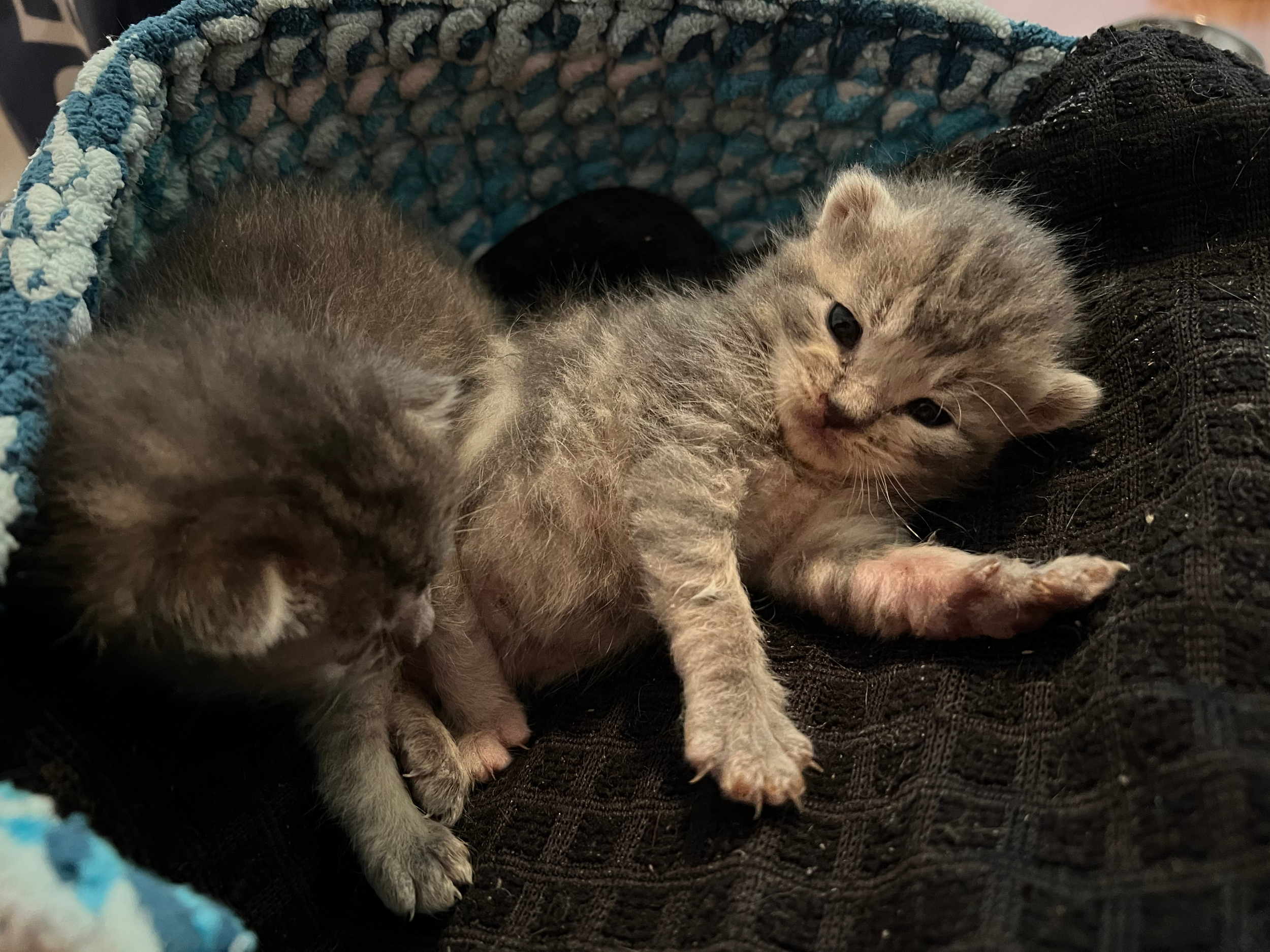
Pre-Adoption Life (Neonatal Stage: 0 - 8 Weeks)
Though you won’t be a part of your kitten’s first couple of months, it can be helpful to know what was happening in that very formative period. (Or - maybe you’re thinking of also becoming a foster parent for some itty bitty baby kittens and want to know more!)
Key Takeaways for this Stage:
2 weeks old - their senses are quickly developing. This marks the beginning of the “sensitive period” (2 - 9 weeks old) where kittens are best able to be socialized. More about socialization will be in future modules.
3 weeks old - kittens will start to eliminate (pee and poop) on their own without their mom or caretaker helping. Kittens will naturally start to use the litter box when they can move around well - no training needed!*
4 weeks old - they are starting to run, trying to eat on their own, and playing!
5 weeks old - their senses are done developing and they should be eating on their own. This means…. It’s time to hunt! They’re playing A LOT and wrestling with their littermates to build up those hunting skills.
6 - 12 weeks old - they’re continuing to learn social cues and behaviors, like learning to reciprocate play appropriately. Ideally they have littermates or another kitten that they can practice on instead of on you!**
*What does this mean? When a cat isn’t using the litter box, there’s a reason! Stress, medical conditions, or the environment are the top causes for house soiling. We can never blame it on “they weren’t trained well enough when they were young!” So if your 9-week-old kitten is peeing in blankets, something needs to be done!
**What does this mean? Young kittens do best learning these crucial skills with another kitten! Though official studies have not been done about single kittens’ behavior differences, anecdotal evidence suggests that singleton kittens develop unwanted behaviors (such as more intense play and skipping body language signals when they get stressed).
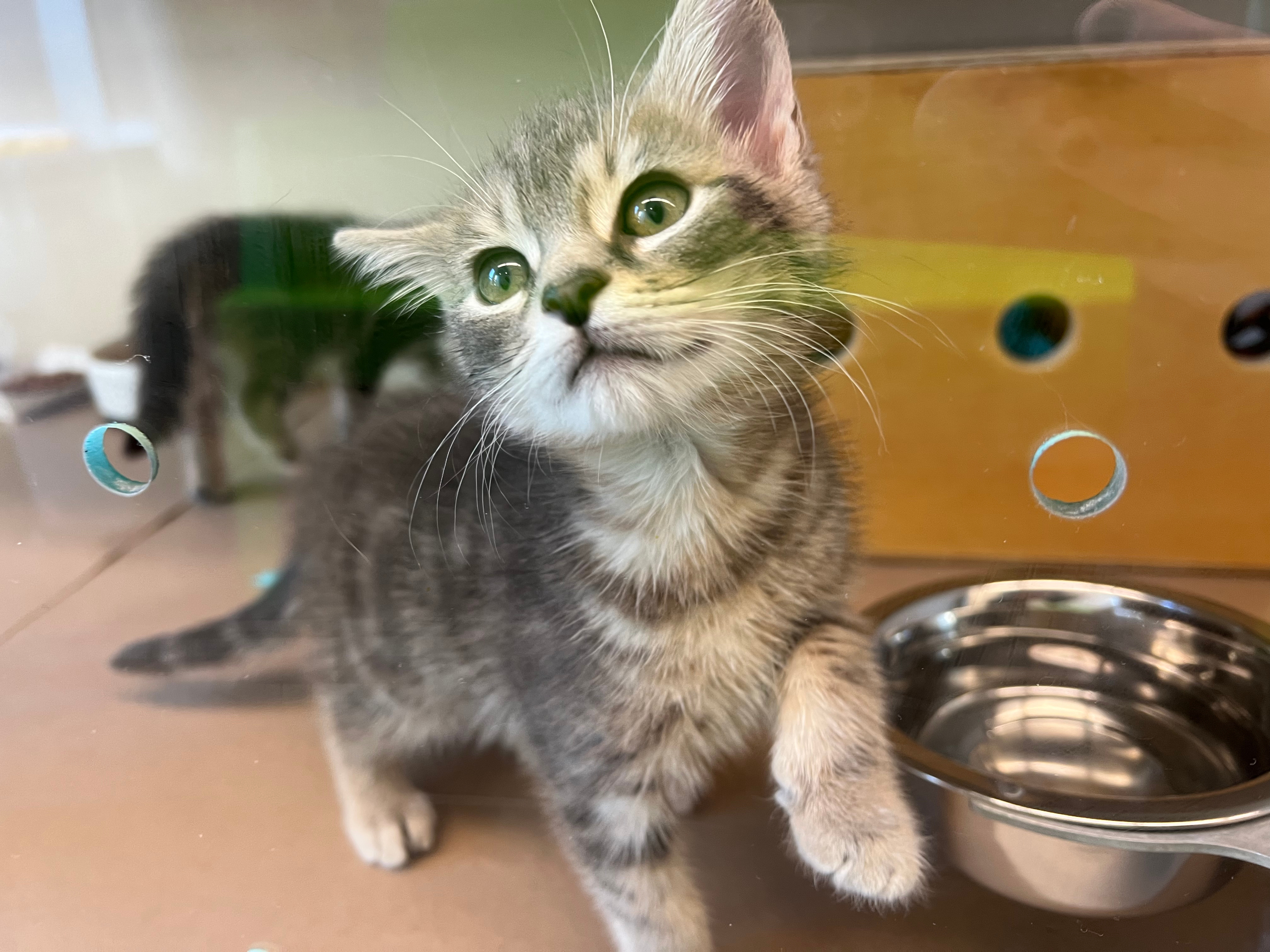
Adoption Time! (Kitten Stage: 8 Weeks - 4 Months)
Most shelters will put kittens up for adoption when they are 8 weeks old, fully weaned (eating normal kitten food on their own), healthy, and 2 pounds (or big enough for surgery). Reputable breeders will follow a similar schedule.*
Key Takeaways for this Stage:
9-14 weeks old - peak of social play! In this stage, most of a kitten’s free time is spent in social play. (This is a good reason to get 2 kittens!!)
If introducing a single kitten to a household with an older cat, these first 4 months will likely be the trickiest due to the huge gap in energy and desire to play. Your new kitten will likely be frustrating to older cats and in return become frustrated due to not getting their energy out appropriately. (Did we mention that getting 2 kittens is a great idea?)
*What does this mean? If you are acquiring a kitten from Craigslist or a similar site or you’re buying a kitten from a breeder you don’t know, make sure to do your research! Some folks unknowingly will separate a kitten from their mom too early. If you find a young kitten outside, their mom is likely just out hunting. Your local shelter will likely have resources (like this) on what to do if you find kittens without a mom.
Those Wonderful Teenage Years (Teenager Stage: 4 months - 1 year)
It’s time for one of those big milestones - entering the dreadful wonderful teenager zone! Luckily for us, the cat teenager stage is much shorter than a human’s - just months rather than years. But just like humans, in this stage growing starts slowing down, behaviors are changing, and adult personalities start showing.
Key Takeaways for this Stage:
4 months old - this is the age where, if raised in a feral/colony environment, the kittens become independent from mom. The females usually stick around their original colony where the males would start looking for a new colony to hang around. This is the age where cats are starting to hit puberty and are able to start reproducing, so make sure to get your cat altered!
Though your new kitten will most likely be altered and therefore won’t be driven by the same hormonal need to wander and reproduce, they will still have some instincts and changes in behavior during this stage. You’ll see that their desire for social play begins to decrease and now they have more fun exploring, climbing, scratching, running, and jumping around!*
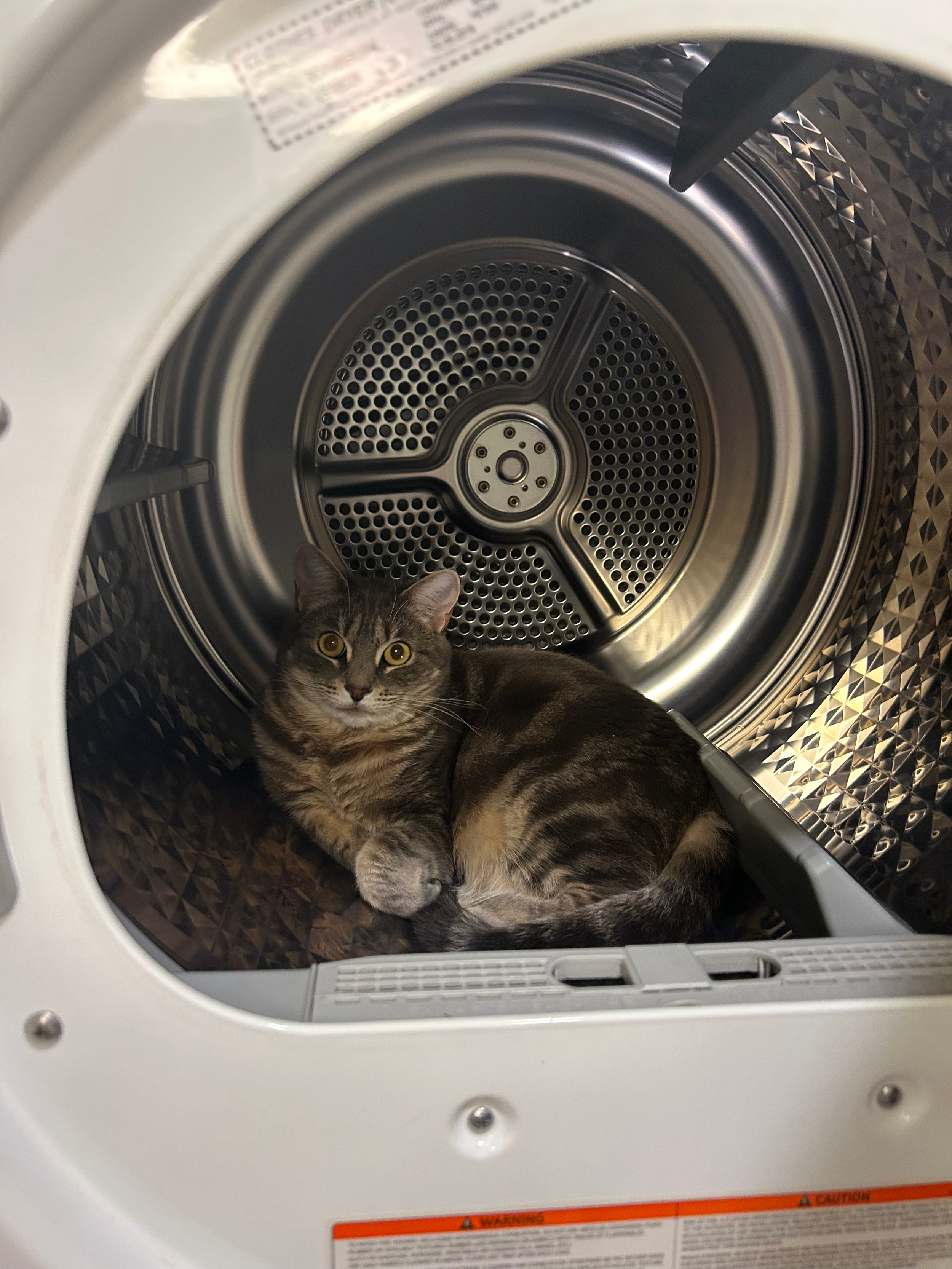
*What does this mean? If you’ve been slowly introducing your kitten to the home, they’re likely ready for a lot more access! They’ll want to explore all the rooms and nooks in crannies that they can. This is a great time to make sure that your home is catified - meaning it’s safe and fun for your cat to be themselves! See the section “Environmental Management” for more info and tips.
They Grow Up So Fast! (Young Adult Stage: 1 - 3 years)
This stage is a bit of a continuation of the teenager phase (but hopefully with a little less angst and hair flipping). Your kitten is now looking and acting like an adult cat and settling into their personality. Things are slowing down a bit but there’ll still be outbursts of kitten behaviors.
Key Takeaways for this Stage:
They’ve reached full size and may need upgrades! Their litter box, scratch options, beds, and perches should all be big enough for their size.
If they’re not altered, they are reaching sexual maturity at this stage. You may see some undesirable behaviors related to your cat feeling the need to reproduce. (This could include loud vocalizations, attempting to escape, and marking/spraying walls in the home.)
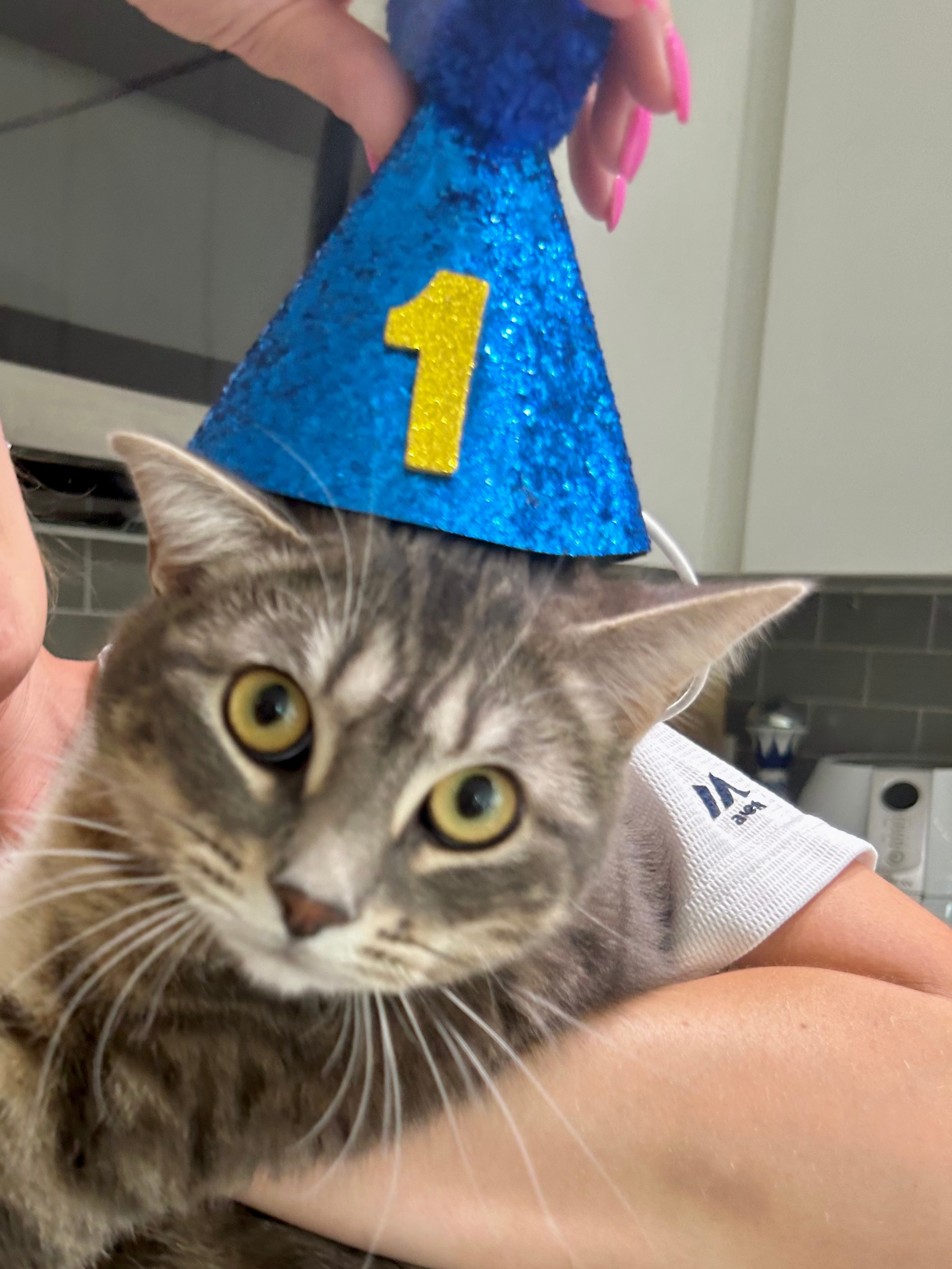
The Prime of Their Life (Adult Stage: 3 - 7 years)
Your kitten is now properly a cat! (You can still call them your sweet little baby, though.) Their personality is well established and their behavior should be predictable.
Key Takeaways for this Stage:
Adult cats need to have fun, too! Continue playing with them and providing positive experiences.
Any sudden new behavior changes during these years are likely due to something bigger going on behind the scenes. Medical or big stressful events are common causes of big behavior shifts, so it’s important to notice changes and do some investigating!
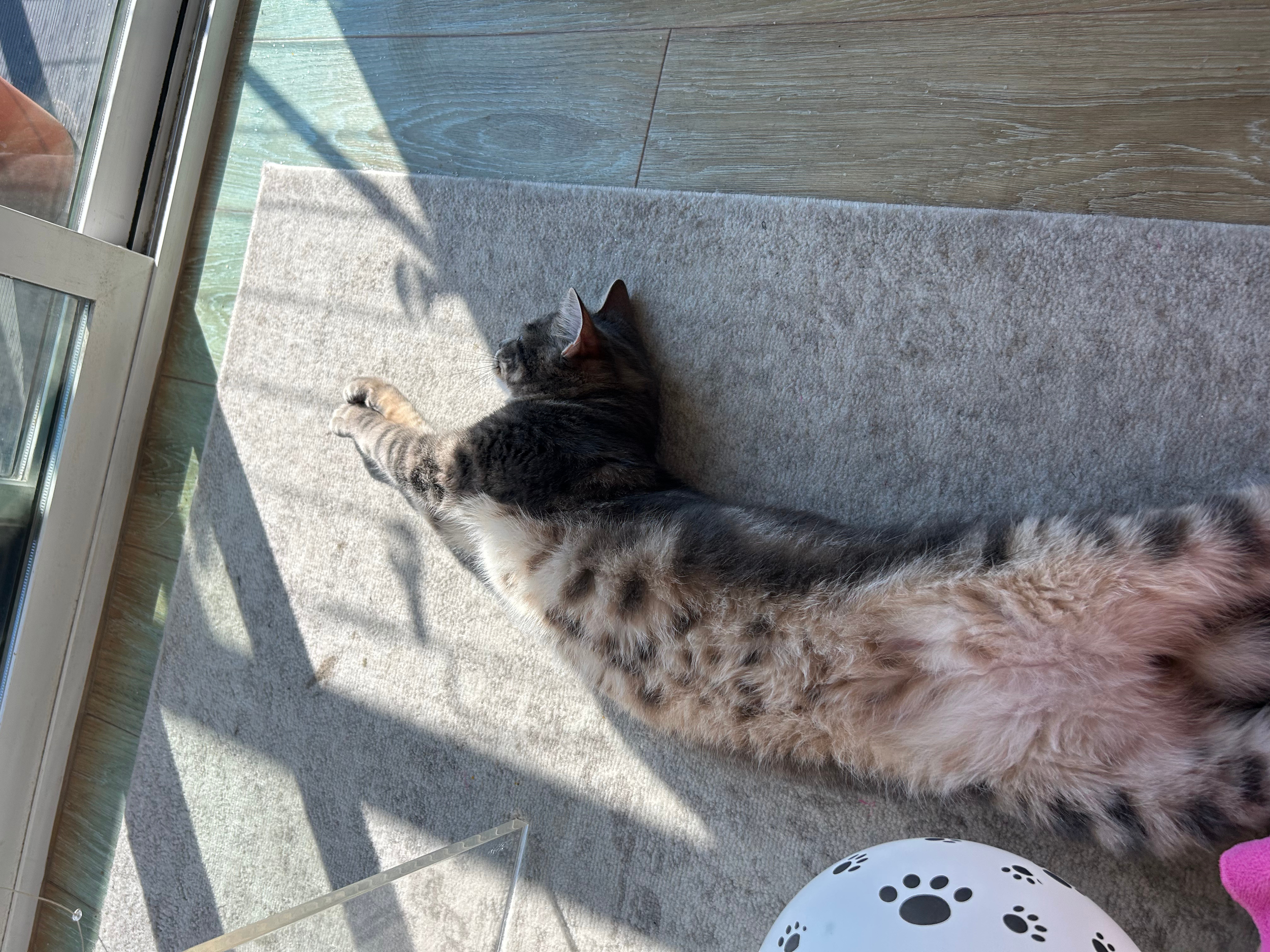
Refined and Classy (Mature Stage: 7 - 10 years)
Your cat is getting older and you may start noticing it at this point. If they used to go bananas and do flips during a wand toy session, maybe now they prefer to lay down and bat at the toy instead. Like in the previous stage, be on the lookout for sudden changes in behavior. Some common cat medical conditions may appear at this time, so it’s great to catch anything early!
Key Takeaways for this Stage:
They may have a decreased interest in active play. Instead, they may enjoy other engaging activities like trick training, walks on harness, or other mental and environmental enrichment.
Weight gain is more likely due to decreased interest in physical activities. Diet changes may need to be considered to keep them as healthy as they can be!
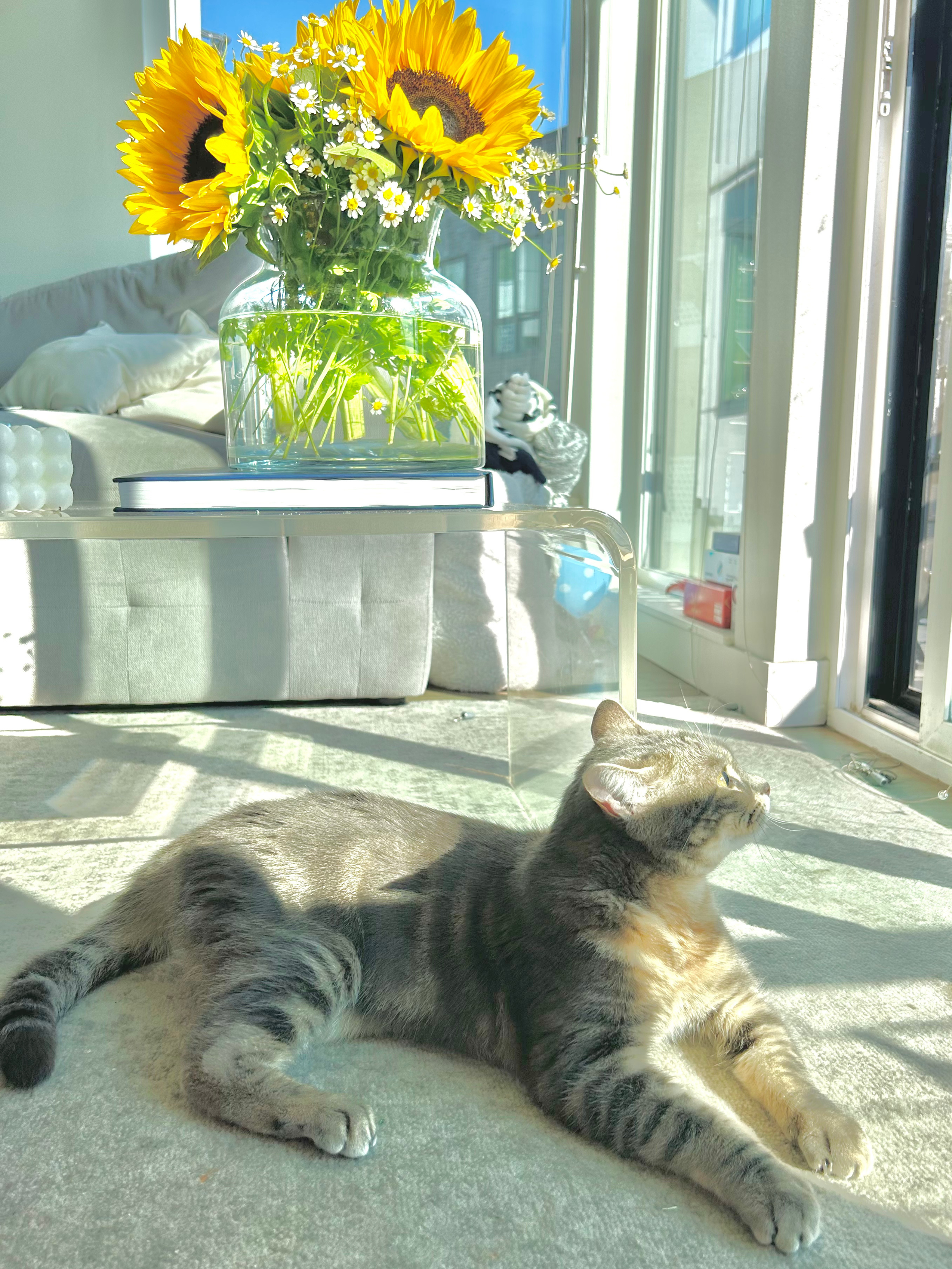
Age is Just a Number (Senior Stage: 10 - 16 years)
Cats at this stage want you to know that age is just a number! Though there’s a higher likelihood of medical concerns popping up the older your cat gets, at this stage your cat’s mind is still very active!
Key Takeaways for this Stage:
They’re just as mentally flexible as younger cats. A senior cat is able to learn new things and adjust to new situations, so keep up the mental and environmental enrichment - especially if they’ve slowed down on active playing.
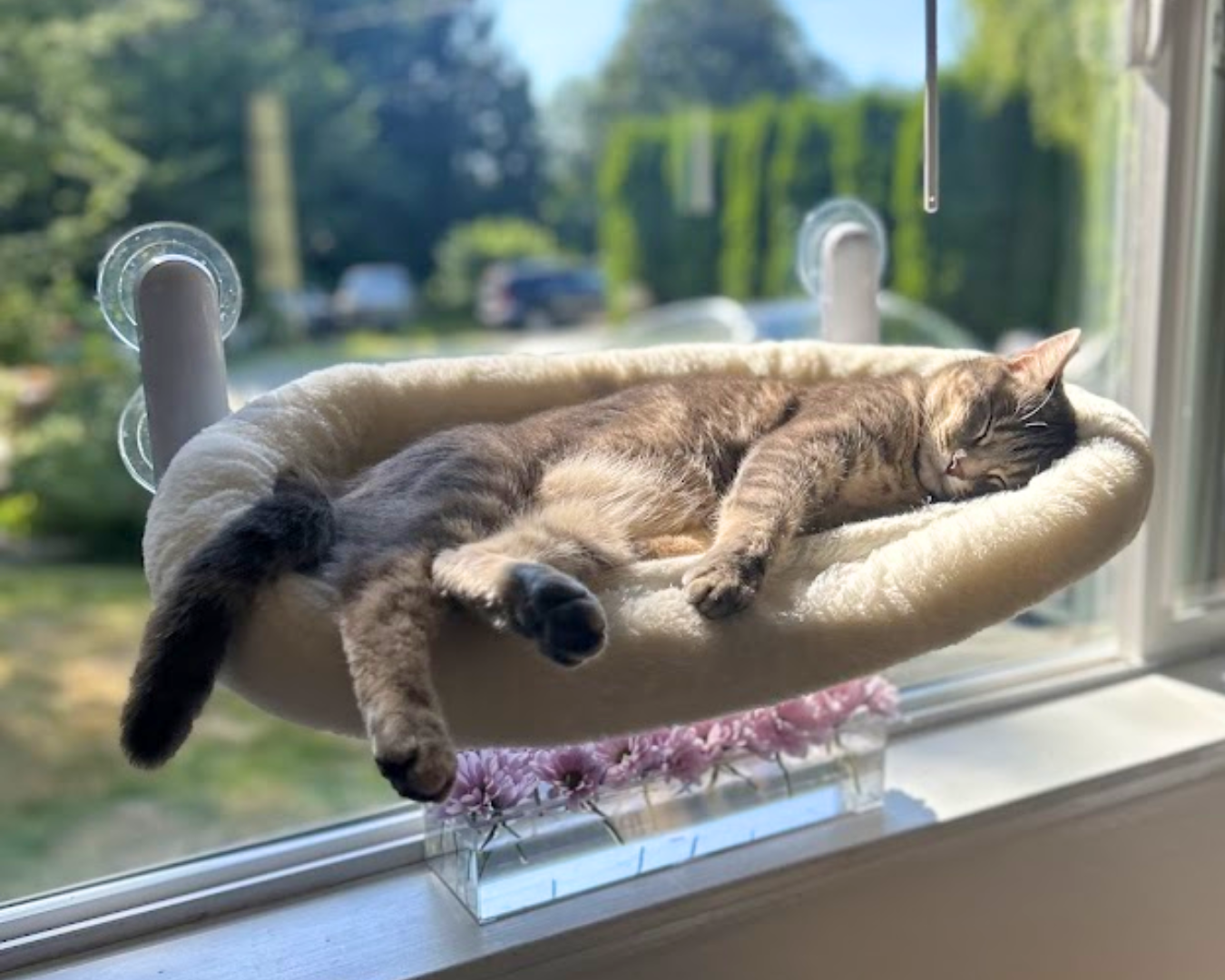
The Golden Years (Super Senior Stage: 16+ years)
The golden years - this is a truly special time in your cat’s life. The Super Senior stage is filled with ups and downs and it is all 100% worth it. Your cat is slowing down and sleeping more - which usually means more cuddle time! You may be seeing some behavioral changes - most of which can be attributed with common medical conditions that appear in an aging cat. At this stage, attending to your cat’s medical needs will be the most important thing to help them (and you) be happy and comfortable for the rest of their lives.
Key Takeaways for this Stage:
When medical conditions pop up, there will likely be changes in behavior as well. Some examples of changes you may see are:
Decreased activity or more time sleeping (overall natural for older cats but may be exacerbated by increased pain due to conditions like arthritis).
Increased vocalizations (nighttime yowling is common in cats with hyperthyroidism, cognitive decline, or dulling senses).
House soiling (due to mobility pain, less water intake, cognitive decline).
Worsening relationships with other members of the household (due to pain, cognitive decline)
Like kitten-proofing, you may need to significantly change the environment to be better for your cat (reducing the likelihood of falling from heights, adding stairs to preferred resting areas, changing litter boxes to low-sided entry with tall sides, etc.).
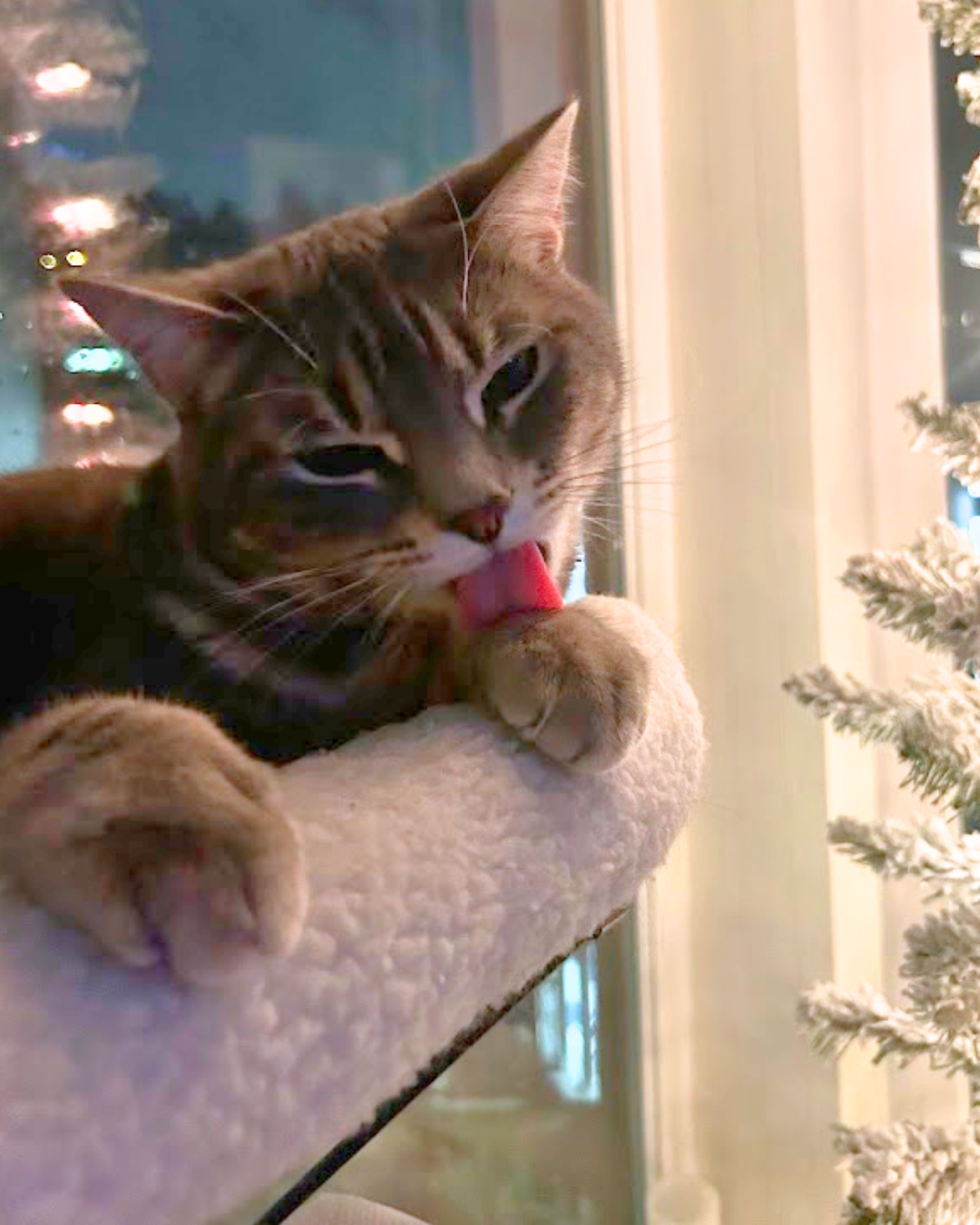
No matter what stage your cat is in, enjoy it! Cats are amazing life companions no matter what age they are. Knowing what to expect will hopefully help you maintain and strengthen your bond with your kitten as you both grow older together.
References
The Behaviour of the Domestic Cat, 2nd Edition. John W.S. Bradshaw, Rachel A. Case, Sarah L. Brown. 2012.
Starting from Scratch: How to Correct Behavior Problems in Your Adult Cat. Pan Johnson-Bennett. 2007
Play with your Cat!: The Essential Guide to Interactive Play for a Happier, Healthier Feline. Mikel Maria Delgado, PhD. 2024.